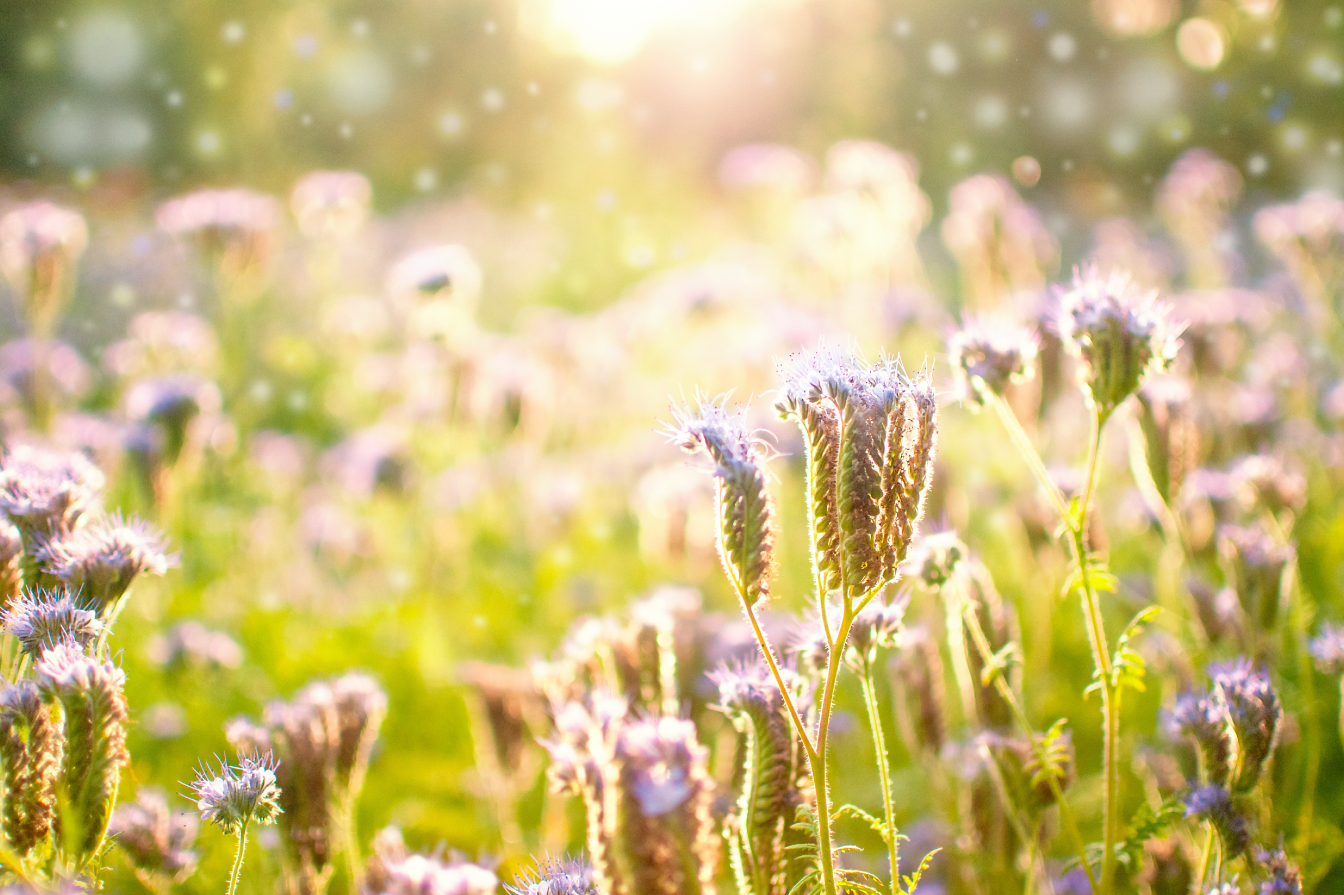
After six years of sharing pollinator seeds, the heart of this program remains the same: plant them wherever you can. A garden bed, a fence line, a patch of yard, or any sunny space.
With a little patience, those seeds will grow into flowers buzzing with life — attracting bees, butterflies, and even hummingbirds throughout the summer.
Every planting helps build more food and habitat for pollinators. And together, those small…
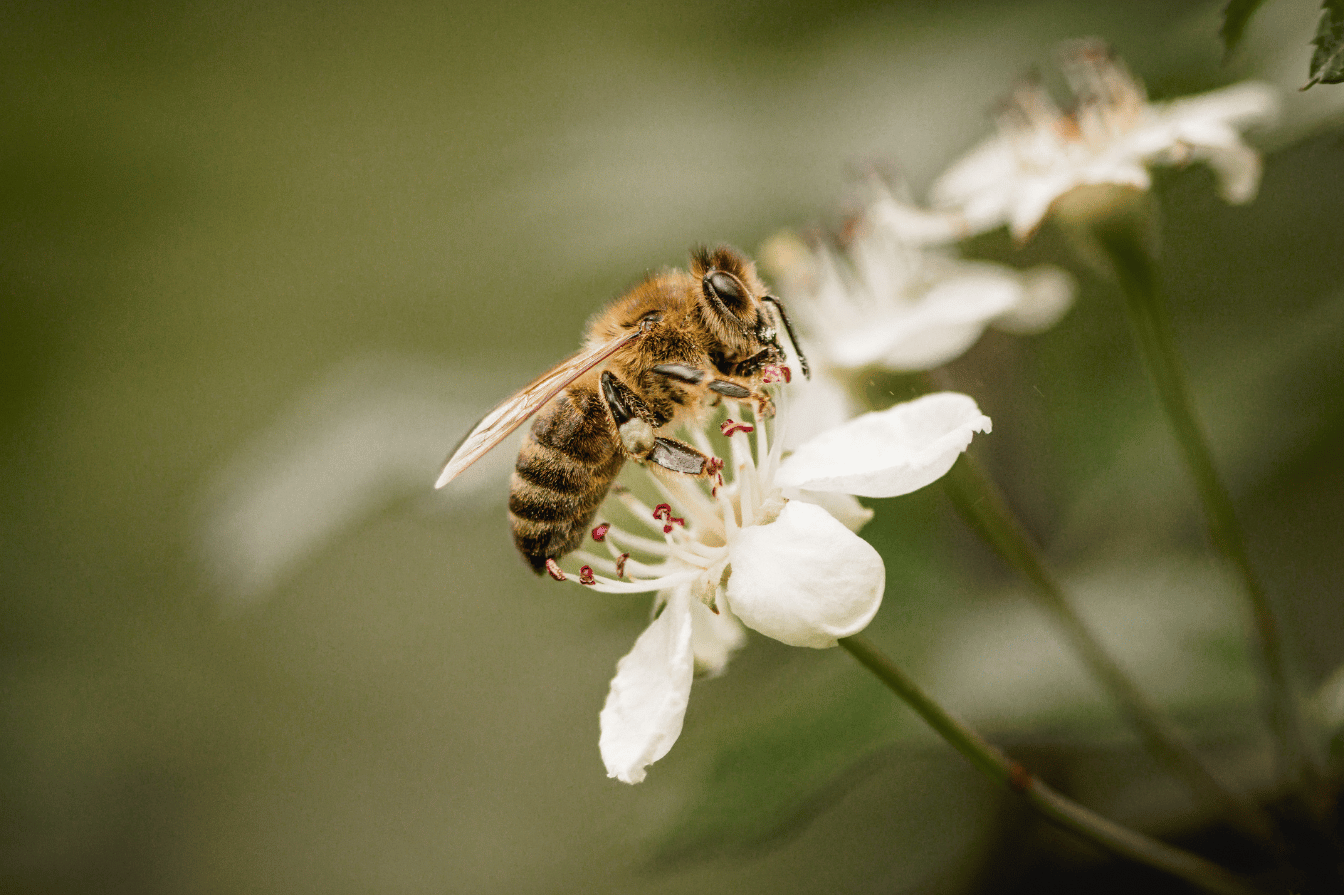
Pollinator Pasture Mix produces a continuous supply of nectar and pollen and acts as a magnet to bumble bees, honey bees, & mason bees (among other pollinators). The incredible activity across the diverse blooms tends to amaze observers seeing a thriving pollinator pasture for the first time…
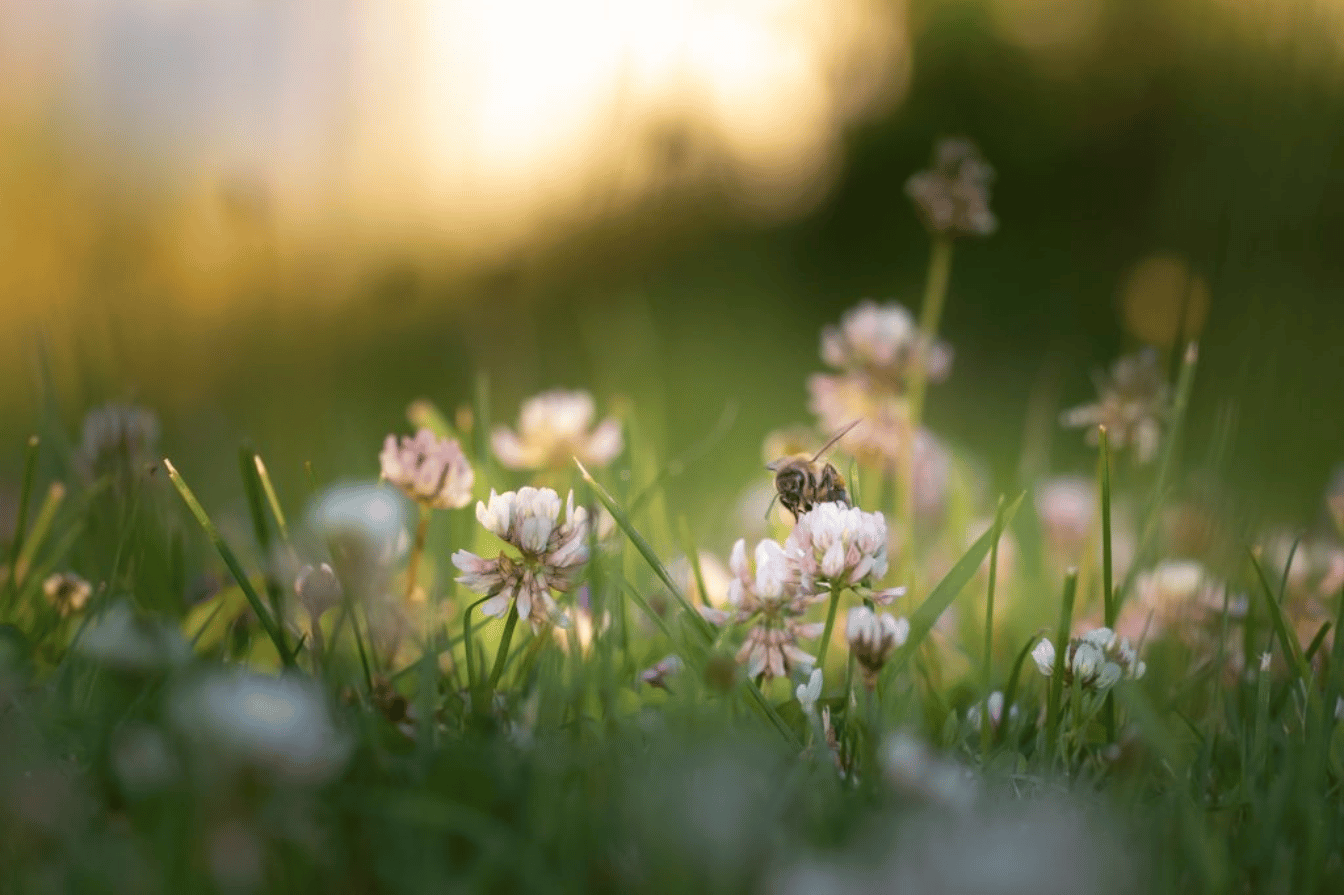
The Power of White Clover: How This Humble Plant Can Benefit Pollinators and Your Soil.
white clover has many benefits for pollinators and can also be used in your yard and for your soil.
In this blog post, we will explore the benefits of growing white clover, its uses in your yard, and how it can benefit your soil…
The hope behind this program is that you will plant these packets of pollinator seeds in your garden, hedge, or wherever you have some space, and you will be rewarded with a summer full of wonder as your local bees, butterflies and even hummingbirds visit the plants that you have grown!
Together we will be working to create much-needed food and habitat resources for species that, let’s face…
The hope behind this program is that you will plant these packets of pollinator seeds in your garden, hedge, or wherever you have some space, and you will be rewarded with a summer full of wonder as your local bees, butterflies and even hummingbirds visit the plants that you have grown!
Together we will be working to create much-needed food and habitat resources for species that, let’s face…
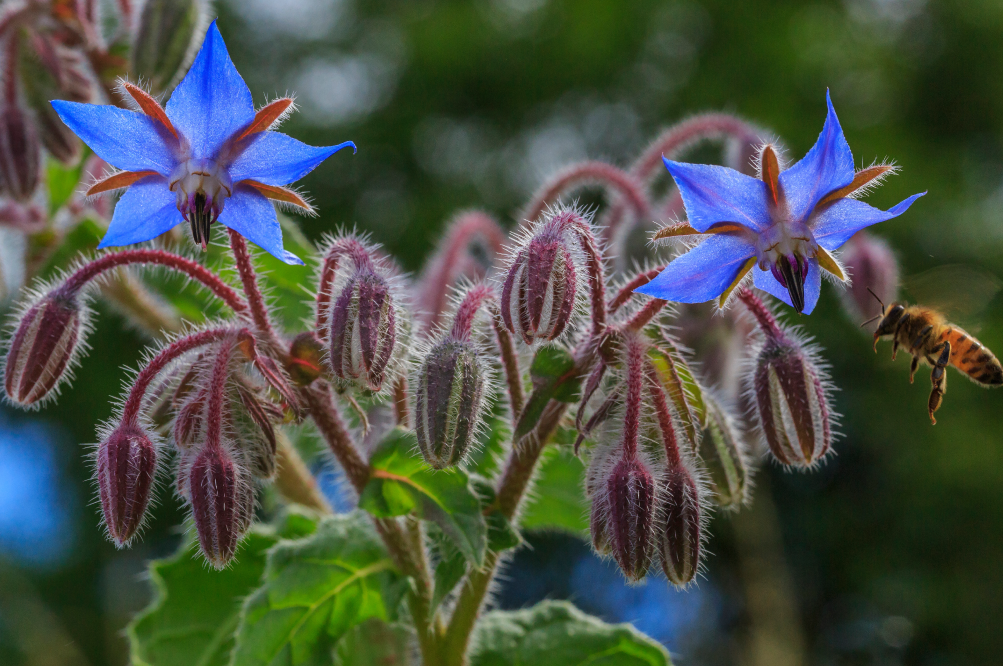
As a food source for bumblebees and honey bees, borage refills with nectar every two-five minutes throughout the day, unlike most plants, and it continues to yield nectar even in cold weather making it a significant bumblebee plant. Most pollinators will ignore the plant’s downward-facing blooms but there is a reason for these flowers with a challenging angle, it prevents rainwater and morning dew from diluting the…

 Call Us