Let’s Feed Some Bees: Year Six
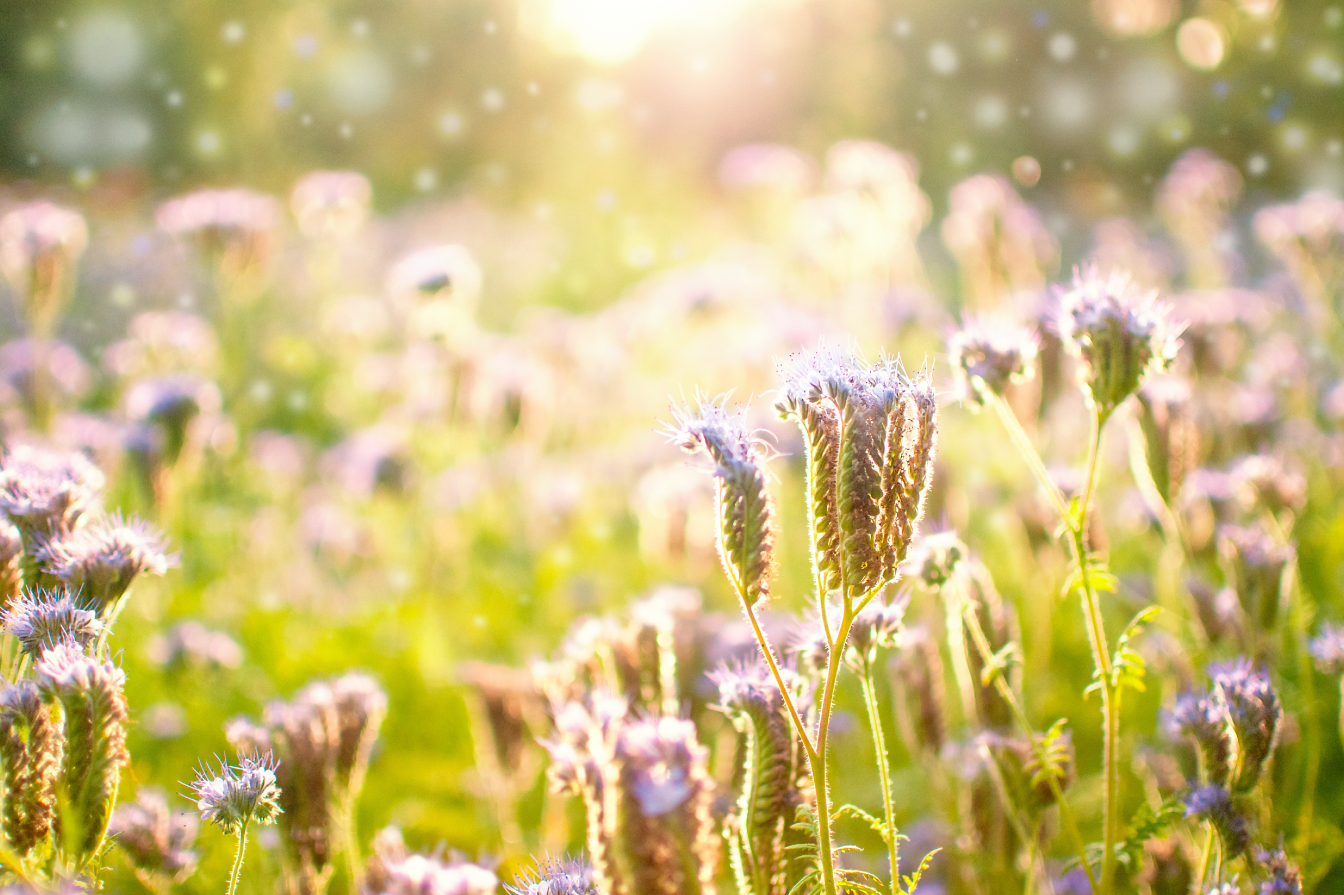
Six years ago, on the first day of Spring, we launched the Let’s Feed Some Bees program — a simple idea with a big goal: put more food in the landscape for pollinators.
What started as a small campaign sharing packets of sunflower and purple tansy seeds has grown into something much bigger thanks to the support of this incredible community.
Over the past five years, hundreds of seed packets have been planted in gardens, yards, hedgerows, and wild spaces, helping create much-needed food and habitat for bees, butterflies, and other pollinators.
Now, as we begin Year 6, the program continues.
Starting March 20 and running through May 31st (while supplies last), every Flights of Fancy purchase online or in person will receive a free packet of pollinator seeds.
There are now seven different seed varieties to choose from, each selected for their ability to support pollinators, nourish the soil, and add beauty to your growing spaces.
Our hope is simple: plant these seeds wherever you can. A garden bed, the edge of a yard, a sunny corner of a field, or even a patch along a fence line. As the plants grow, they’ll transform those spaces into small feeding stations buzzing with life.
By planting these seeds, you’re helping create the flowers that bees depend on — and together we’re building a landscape that works a little better for the pollinators that work so hard for us.
Because let’s face it… the bees could really use a helping hand right now.
NEW: Seven Seed Varieties To Choose From
There are seven seed varieties available to choose from and each has special benefits for native pollinators, local honey bees, and your soil!
Free Gift Option One: Purple Tansy Seed

Free Gift Option Two: Sunflower Seeds

Free Gift Option Three: Borage Seeds

Free Gift Option Four: Sainfoin Seeds

Free Gift Option Five: Buckwheat Seeds

Free Gift Option Six: Dutch White Clover

Learn to grow Dutch White Clover
Free Gift Option Seven: Pollinator Pasture Mix

Pasture Mix: A Living Meadow for Bees, Blooms, and Biodiversity
Who Will You Be Helping?

Native Bees:
Let’s Feed Some Bees Year Three, will benefit native bees. Native bee species visit multiple pollen and nectar sources per trip, unlike honey bees, and will visit individual or small groups of plants. Some solitary native bee species use plants as a home or resting place and as shelter from cold or rainy weather. For example, the long-horn bee in the photo took up residence in my sunflower patch and tucked itself in between petals at sunset. It would groom itself at sunrise and move from bloom to bloom as sunflowers faded. Ensure you seed successively for blooms from August through late September.
Hummingbirds:
It’s not just honey bees and natives that will visit your garden, you’ll see hummingbirds as well! Most people associate hummingbirds with bright red liquid feeders but hummingbirds are pollinators too, and they love to visit flower and vegetable gardens sampling the different natural nectar sources.
Hummingbirds are highly territorial and feeders can be a competitive place, by growing nectar-producing plants throughout your yard, you will be increasing the food resources over a larger and more spread-out area. Want to feed hummingbirds but not sure if they will visit sunflowers?
The ones by my house sure do! I have three feeders up but the most hummingbird squabbles happen over my patch of sunflowers. Did you know that they will puff themselves up to the size and look of a golf ball, make a high-pitched war cry and charge their competitors? Neither did I until I saw it with my own eyes and then spent a few hours Googling it.
Butterflies & Moths:

Pollinators like butterflies and moths consume nectar and pollen and transfer pollen from bloom to bloom, similar to bees. Some species even have pollen patches on their legs. Personally, I find butterflies fascinating. While I connect more with honey bees’ task-oriented nature, butterflies surpass bees in migration journeys that demand drive and direction.
Moths as well, seem to be overlooked and underrated, just take the hummingbird, bumblebee, and luna moths for example. The first two species imitate hummingbird movements and resemble them, even feeding on nectar from the same plants during the day. The luna moth, with its bright green color and creamy white markings, looks like a butterfly and has similar wing shape. They are nocturnal but can also be seen resting during the day.
Go The Extra Mile: Add a Watering Station

Although nectar is a fluid, pollinators still need a reliable source of clean, fresh, accessible water. Creating and maintaining one or several watering stations is quick and easy and will not only add interesting features but will bring life into your garden. You’ll love watching all of the different insect species collect water but also how they interact with each other and the effects of their presence on your nearby plants.
A watering station can be as simple as filling a birdbath with river pebbles or clean gravel. You can also use water trays meant to fit under flowerpots, doing the same, filling them with pebbles or gravel. You can use natural mosses along the edges or use pebbles to make a gradual slope, with a rise in the center. The important thing to keep in mind is that the water levels need to be kept shallow. You should include gravel or pebbles that breaks above the surface. This provides pollinators somewhere to land and if they fall in, they can get themselves out without drowning.
To avoid mosquito larvae, freshen the water every other day or so, also you will find that it will need to be refilled just as often since the water level is being kept low.
By adding some food sources, shelter, and water, you will be helping native pollinators and honey bees alike, and by doing so will make your garden a fascinating and magical place to spend time.
Let’s Feed Some Bees Year Three!
About The Author

wilding.stephanie
Related Posts

Pasture Mix: A Living Meadow for Bees, Blooms, and Biodiversity
Pollinator Pasture Mix produces a continuous supply of nectar and pollen and acts as a…
March 6, 2026
Garden to Teapot: Growing Your Own Tea While Helping the Bees
Learn how to create a tea garden that doubles as a pollinator garden with this…
April 21, 2023
 Call Us
Leave A Comment