Pasture Mix: A Living Meadow for Bees, Blooms, and Biodiversity
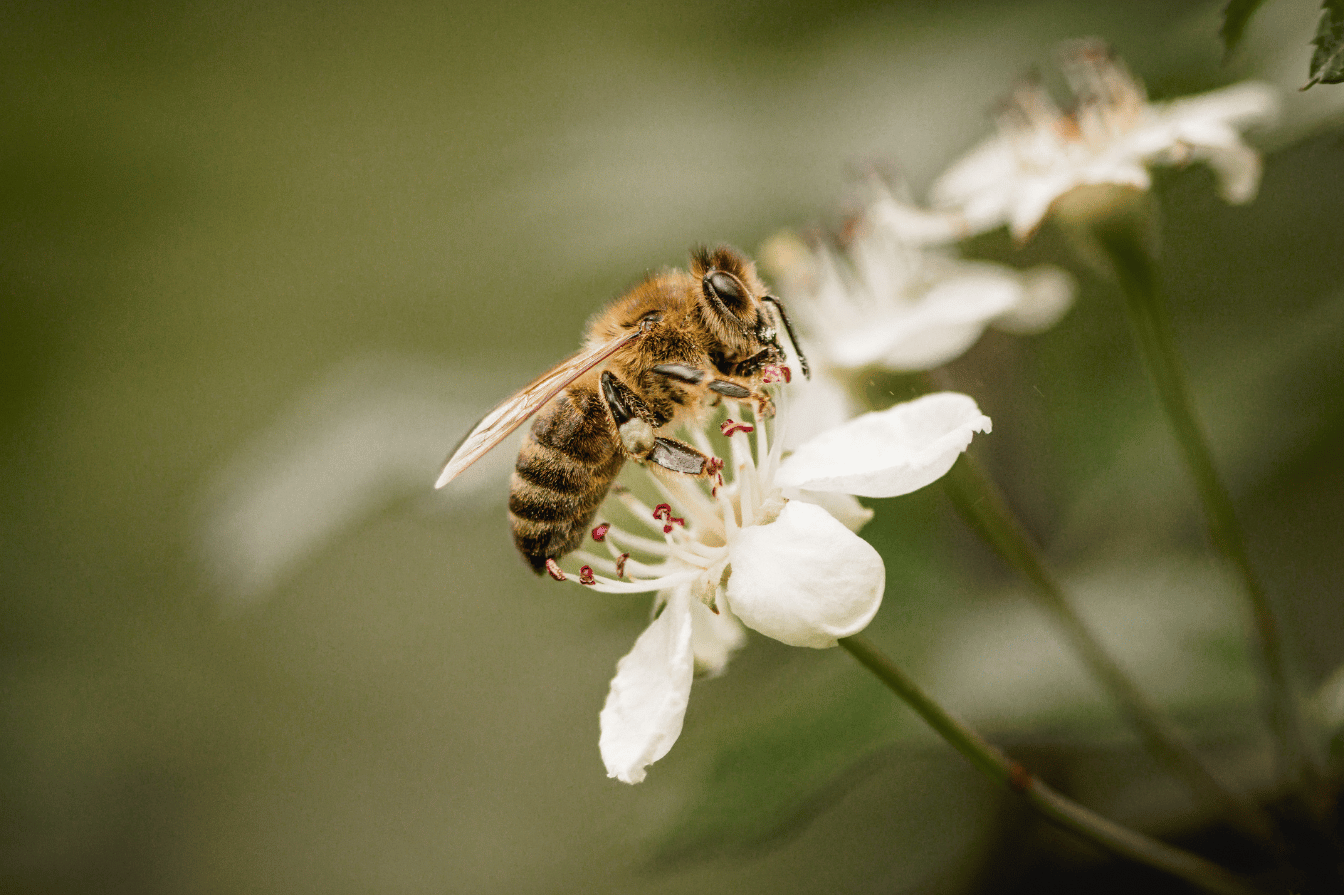
If you’ve ever dreamed of transforming a patch of land into a humming, blooming sanctuary—alive with bees, butterflies, and beneficial insects—our Pollinator Pasture Seed Mix was created with you (and the pollinators) in mind.
This thoughtfully balanced blend is more than just a seed mix. It’s a long-lasting, living pasture designed to nourish pollinators from early spring through late fall, season after season.
Designed for Pollinators, Built for Longevity
Unlike single-species plantings, a pollinator pasture thrives on diversity. This mix combines perennials and self-seeding annuals to create a natural, ever-evolving landscape that provides:
- Continuous pollen and nectar availability
- Strong forage for honey bees
- Rich attraction for native bees, butterflies, and beneficial insects
- Resilient growth that improves year after year
As each species blooms at different times, the pasture ensures there’s always something flowering—no long gaps, no hungry pollinators.
What’s Inside the Pollinator Pasture Mix
Each component of this blend was chosen for its pollinator value, hardiness, and role in a balanced ecosystem:
- Birdsfoot Trefoil (15%)
A low-growing perennial loved by bees, known for its long bloom period and nitrogen-fixing benefits. - White Clover (15%)
A classic pollinator plant that provides reliable nectar and helps enrich the soil. - Alsike Clover (10%)
Hardy and adaptable, offering abundant forage even in less-than-perfect conditions. - Crimson Clover (20%)
A striking early bloomer that gives pollinators a strong spring start. - Red Clover (20%)
A powerhouse nectar producer, especially valuable for bumble bees and honey bees alike. - Phacelia (20%)
One of the most beloved bee plants, blooming quickly and drawing pollinators in droves.
Together, these plants form a lush, layered pasture that feels both intentional and beautifully wild.
A Meadow That Grows With You
One of the greatest strengths of this mix is how easy it is to establish. Whether you’re starting fresh or enhancing an existing space, this pasture adapts effortlessly.
Planting Instructions
Package Size: 1 lb / 454 g
Suggested Seeding Rate: 10 lbs per acre
You can:
Broadcast seed over prepared soil for a new planting
Over-seed existing grassed areas using a grass seed planter or fertilizer spreader
Create a mixed planting without tilling, allowing nature to do the rest
Once established, the pasture requires minimal maintenance and becomes more robust each year as plants reseed and mature.
Why Plant a Pollinator Pasture?
Planting a pollinator pasture is a quiet but powerful act of stewardship. You’re not just planting flowers—you’re restoring habitat, strengthening food systems, and supporting the delicate relationships that keep ecosystems thriving.
For beekeepers, gardeners, farmers, and land stewards alike, this mix offers a simple way to make a lasting impact.
Let’s Feed Some Bees Program: Every Flights of Fancy order between March 20th – May 31st receives a free packet of pollinator seeds, three options to choose from, and one of the seed options is Pollinator Pasture Mix (while supplies last), learn more here.
Looking to just purchase seeds? Check out Floret Flowers or West Coast Seeds (these are my favourite seed companies).

How To Grow Pollinator Pasture Mix
Instructions
- Exposure: Full sun | Zone: 3–9 Pollinator Pasture Mix can be broadcast on prepared soil or over-seeded into existing grass or open areas. Suggested seeding density is 10 lbs per acre.Seed can be spread using a grass seed planter, broadcast spreader, or fertilizer spreader. Lightly rake or press seed into the soil to ensure good seed-to-soil contact. Germination time will vary by species, but many plants will establish quickly and begin producing blooms throughout the first growing season.Because this mixture contains both perennial plants and self-seeding annuals, the pasture will naturally fill in and become more productive over time.
Notes
• 15% White Clover
• 10% Alsike Clover
• 20% Crimson Clover
• 20% Red Clover
• 20% Phacelia This combination of plants provides overlapping bloom periods that help support pollinators across the entire season while also improving soil health. Many of the legumes in this mix fix nitrogen, helping enrich the soil naturally. Pollinator pastures are valuable plantings for farms, gardens, orchards, and homesteads. They provide essential habitat for bees and beneficial insects while also creating a beautiful and productive flowering landscape. Uses: pollinator habitat, bee forage, pasture improvement, meadow plantings, soil improvement.
About The Author

wilding.stephanie
Related Posts

Let’s Feed Some Bees: Year Six
After six years of sharing pollinator seeds, the heart of this program remains the same…
March 6, 2026
Garden to Teapot: Growing Your Own Tea While Helping the Bees
Learn how to create a tea garden that doubles as a pollinator garden with this…
April 21, 2023
 Call Us
Leave A Comment